

Blog

POCUS Implementation in Urgent Care: What the Data Shows
Until now, very little published research has looked at what actually happens once urgent care providers are trained in POCUS and supported with an ongoing quality assurance (QA) program.
In this blog we dissect the article published in the Journal of Urgent Care Medicine that demonstrated two-fold reduction in ED transfers for patients with soft tissue and musculoskeletal complaints once POCUS was implemented through structured training and quality assurance by the ultrasound faculty at affiliated hospital.

The Business Case for POCUS: A Practical Guide to Revenue, Cost Savings & Efficiency (Webinar Recording)
Join Dr. Tatiana Havryliuk for a look at the business case for POCUS: how point-of-care ultrasound can support revenue opportunities, cost efficiencies, and workflow improvements. Learn what to consider when building the financial case for POCUS at your organization.

Spotting Acute Cholecystitis on POCUS: What to Look For, What Fools You, and Why it Matters
A 45-year-old woman with no past medical history presents to the emergency department with right upper quadrant pain that started about 10 hours ago, shortly after dinner. This time, the pain hasn't subsided and has been constant since it started.
Discover how point-of-care ultrasound (POCUS) can aid in the bedside evaluation of acute cholecystitis. Through a real clinical case, learn the classic ultrasound findings, differentiate cholecystitis from biliary colic, recognize common imaging pitfalls, and understand the evidence supporting gallbladder POCUS.

Renal & Bladder POCUS: A Practical Guide to Evaluating Kidney Stones & Urinary Retention (Webinar Recording)
Learn how renal and bladder POCUS can help evaluate hydronephrosis, urinary retention, AKI, and suspected renal colic with practical scanning techniques and real-world clinical cases.

What Does the Evidence Show? Lung Ultrasound vs Chest X-ray in Urgent Care and Primary Care
Lung ultrasound outperforms traditional chest X-rays in accuracy, speed, and cost for urgent and primary care settings, providing superior sensitivity for detecting pneumonia, pneumothorax, and pulmonary edema without radiation. As a practical alternative to radiography-related operational challenges, POCUS offers real-time bedside diagnostic capabilities.

Fundamentals of Cardiac Ultrasound: Recognizing Critical Findings in Everyday Practice (Webinar Recording)
Cardiac ultrasound is a point-of-care imaging technique used to rapidly assess cardiac function and hemodynamic status at the bedside. It helps identify findings such as pericardial effusion, right heart strain, reduced ejection fraction, cardiac tamponade, and fluid responsiveness, allowing clinicians to make faster diagnostic and treatment decisions in emergency and acute care settings.
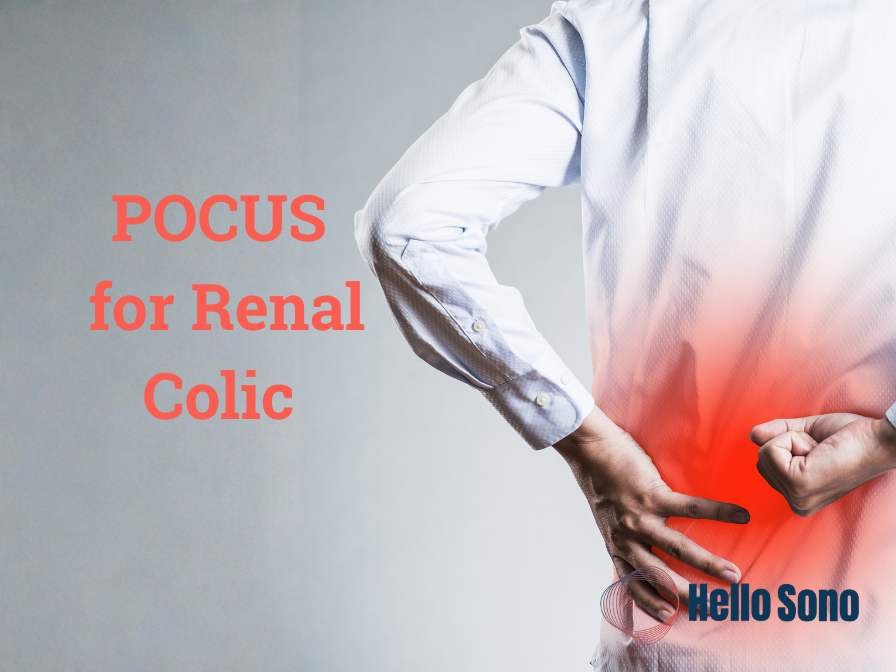
Do You Need a CT? POCUS in First-Time Renal Colic
A 24-year-old man presents to urgent care with first-time renal colic. He is stable, tolerating oral intake, and has no signs of infection. Does he need a CT scan or emergency department referral?
In this Southern Medical Association case article, we explore how renal point-of-care ultrasound (POCUS) identified mild hydronephrosis at the bedside, allowing safe outpatient management without CT imaging or ED transfer. The article reviews key renal ultrasound findings, common pitfalls, evidence supporting a POCUS-first approach, and the broader impact on radiation exposure, healthcare utilization, and cost.
Learn how POCUS can help clinicians rapidly risk stratify patients with suspected renal colic while improving patient-centered care.
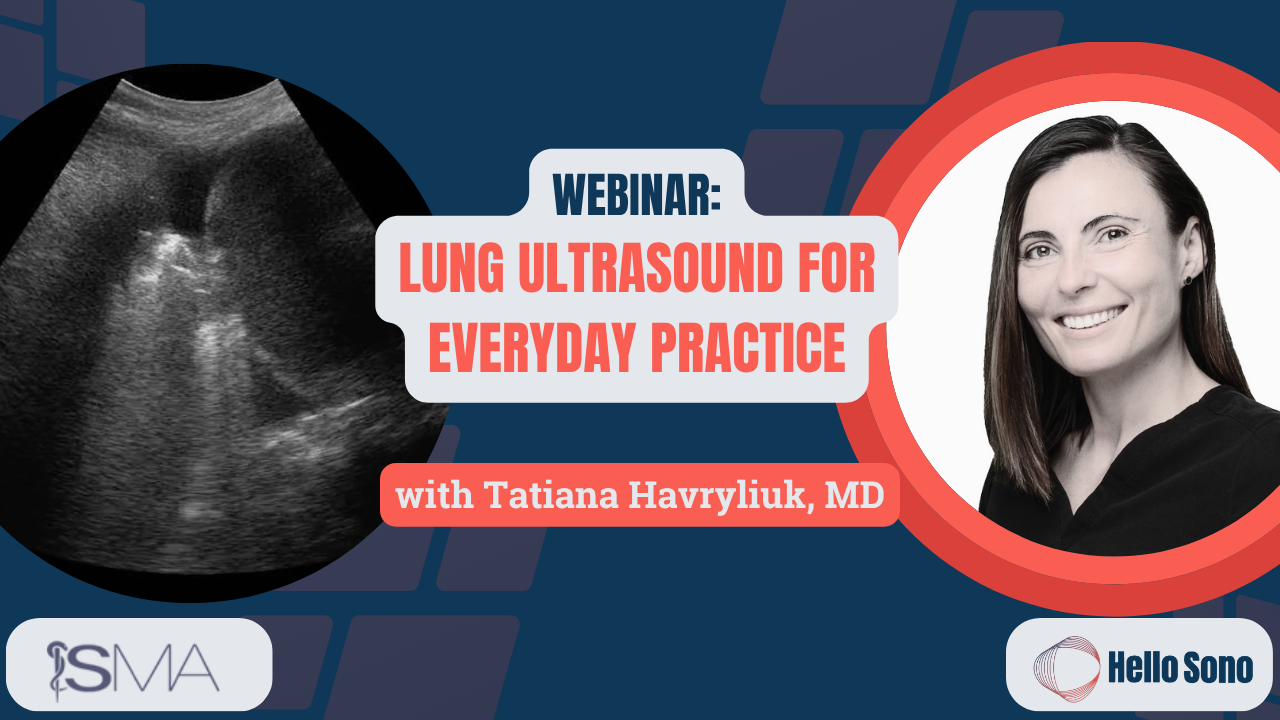
Lung Ultrasound for Everyday Practice: How to Use Lung Ultrasound to Evaluate Pneumonia, Effusion, and Pneumothorax (Webinar Recording)
Lung ultrasound is a point-of-care imaging technique used to assess respiratory conditions at the bedside. It helps identify findings such as pneumonia, pulmonary edema, pleural effusion, and pneumothorax with greater sensitivity than chest X-ray.

Rib Fracture Missed on Chest X-ray: How Point of Care Ultrasound Changed Management After a Skiing Fall
A 51-year-old male presented to urgent care after falling while spring skiing. He reported catching an edge, pitching forward, and landing forcefully onto his left anterior chest. He immediately experienced localized pain, worsened by deep inspiration. He denied shortness of breath, syncope, and head or neck injury.
Vital signs were normal. Examination demonstrated focal tenderness over the left anterior chest wall at the level of the fourth rib without visible ecchymosis, crepitus, or deformity. Lung sounds were clear and equal bilaterally.
A chest X-ray showed no acute bony abnormality and no pneumothorax. Due to persistent focal pain, point-of-care ultrasound (POCUS) was performed over the area of maximal tenderness.
Stay in the loop.
Sign up with your email address to receive news and updates about POCUS and Hello Sono.